For kids & parents
Choosing the Right Coloring Page for Every Age
From chunky shapes for toddlers to detailed mandalas for grown-ups: how to match a page to the person coloring it.
A page that's too busy frustrates a four-year-old; a page that's too simple bores a ten-year-old. Matching the level of detail to the person coloring makes the difference between "I'm done" after two minutes and a happy half hour. Here's a quick guide by age.
Ages 3–5: big shapes, bold lines
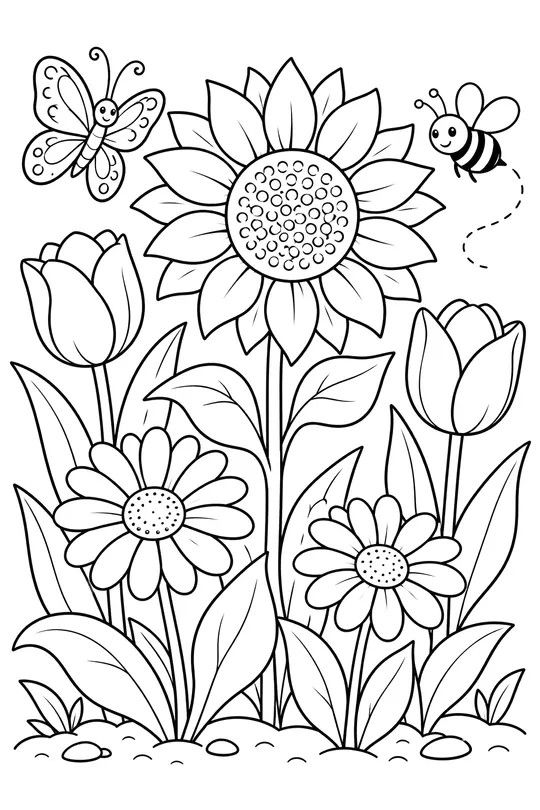
Little hands are still learning control, so look for:
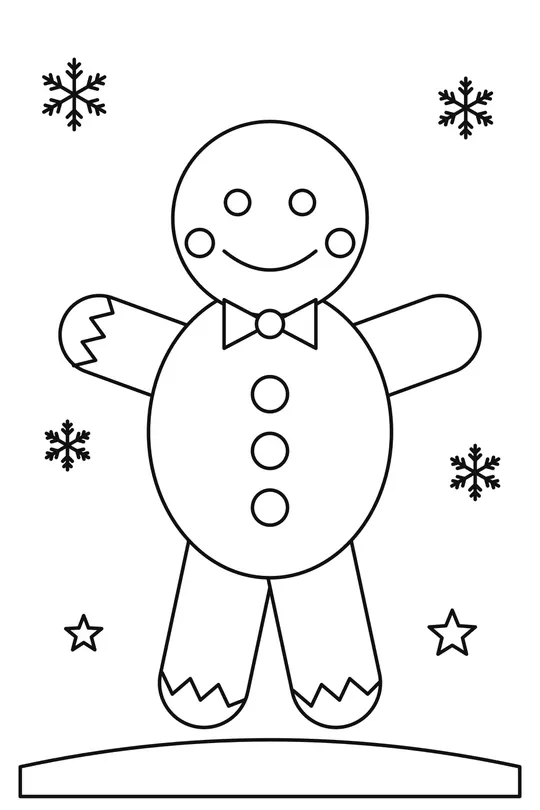
- Thick outlines that are easy to stay inside (or happily go over).
- A few large spaces rather than lots of small ones.
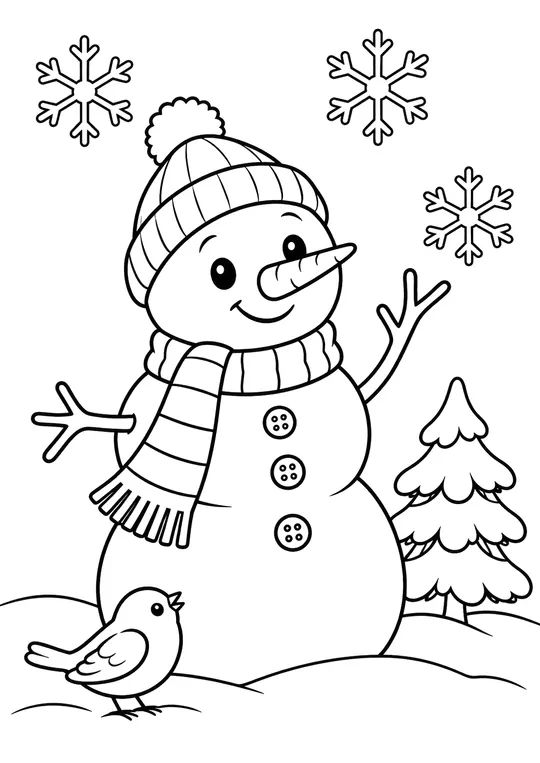
- Friendly, familiar subjects — animals, fruit, a smiling sun.
On CuriousColorStudio, filter by Easy or open the For kids section. Our simple shape pages are perfect for this age.
Tip: chunky crayons or washable markers are easier to grip than thin pencils.
Ages 6–8: little scenes and favorite things
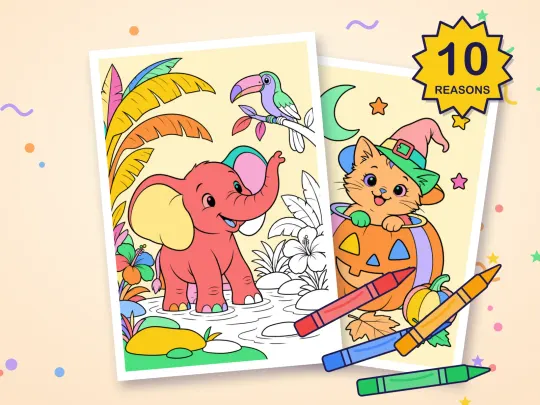
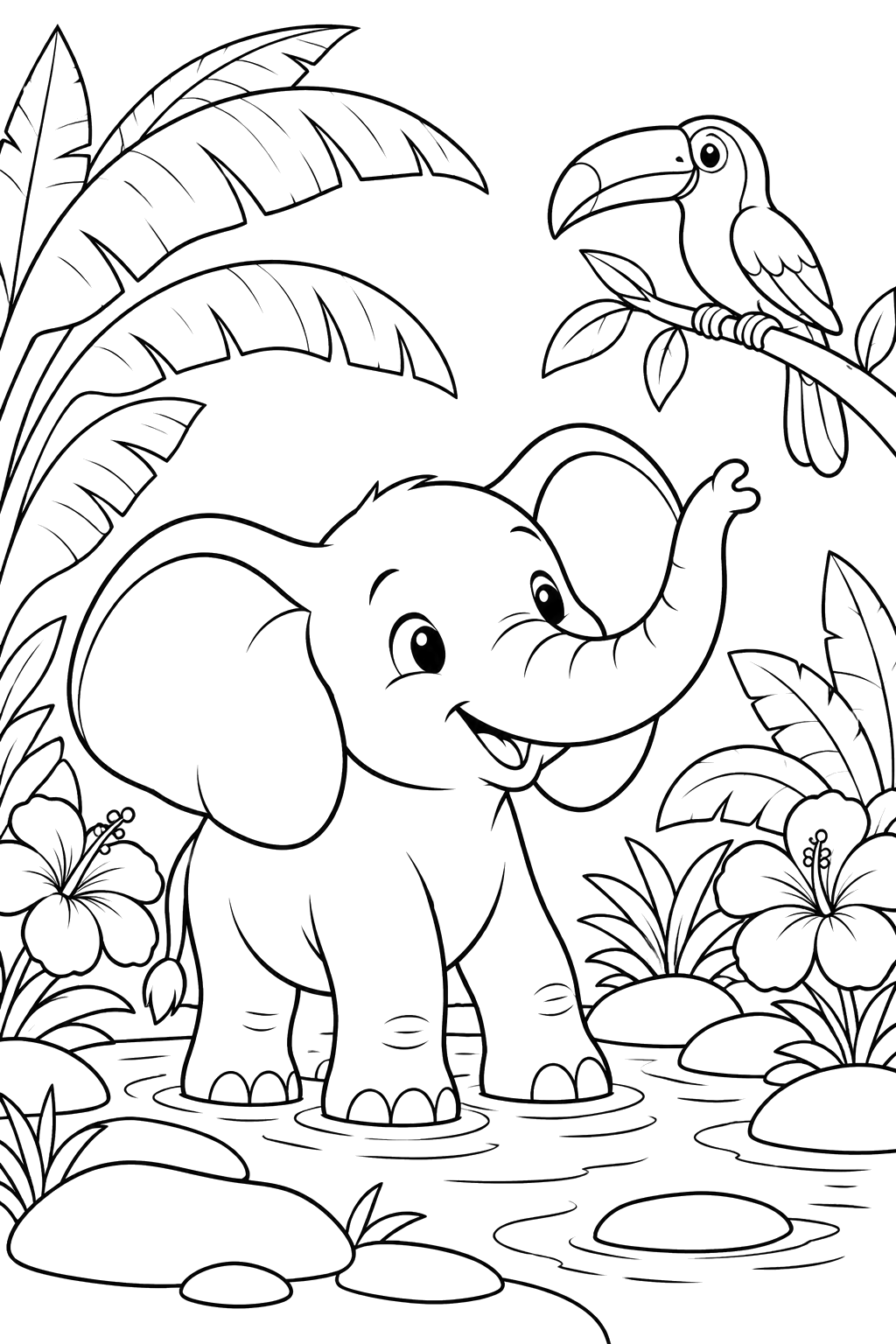
Children this age enjoy pages with a bit of story — a cat in a pumpkin, an elephant splashing in the jungle — and can manage medium-sized spaces.
- Medium detail with a clear main character.
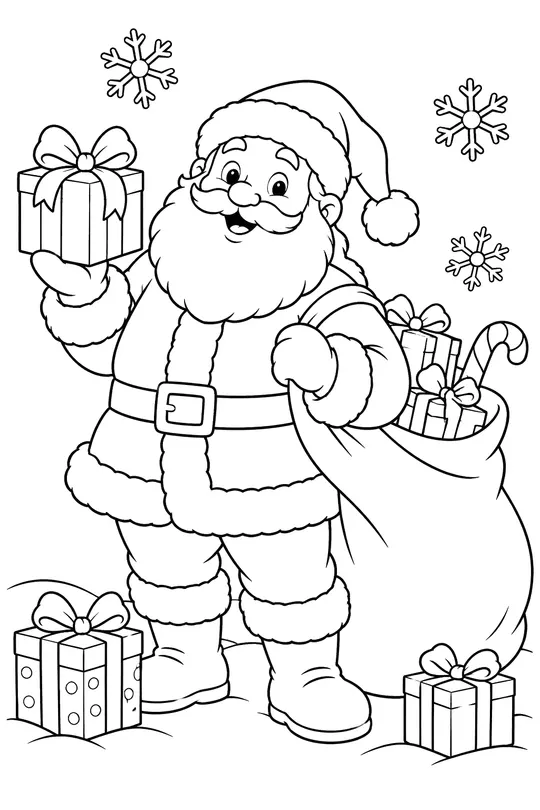
- Seasonal and holiday themes they're excited about.
- A few small areas to practice careful coloring.
Ages 9–12: more detail, more choice
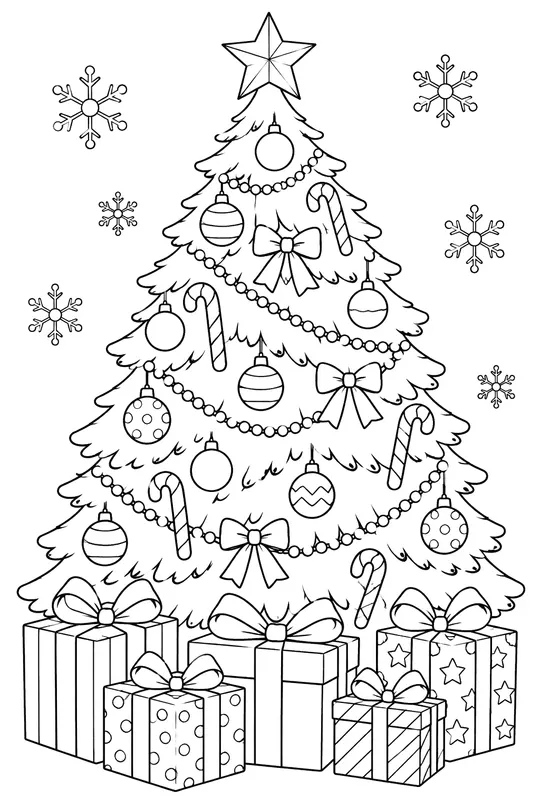
Older kids often want pages that feel "grown up". Patterns, detailed animals, castles and fantasy creatures all work well. Let them choose — ownership keeps them coloring longer.
Teens: style and interests
Teens tend to skip anything that looks babyish. Pages built around their interests — music, sneakers, gaming, space — and intricate patterns go down best. See the For teens section.
Adults: intricate and calming
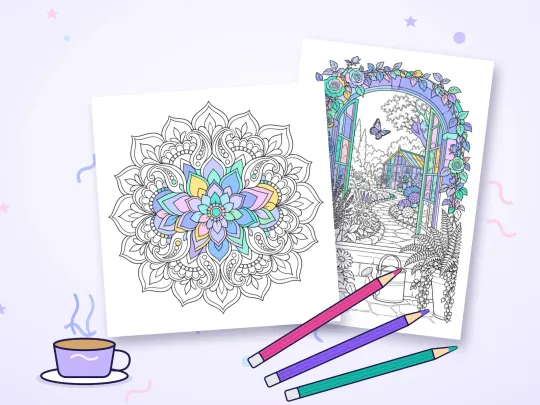
Mandalas, botanical scenes and detailed illustrations reward slow, careful coloring. Visit For adults for pages designed for relaxing.
Quick checklist
- Can they color the biggest space without getting tired? Good.
- Are the smallest spaces bigger than the tip of their crayon or pencil? Good.
- Do they like the subject? That matters most of all.
When in doubt, print two levels and let them pick.