For kids & parents
10 Reasons Every Kid Should Color (It's More Than Just Fun!)
From stronger little hands to calmer moods and proud smiles — why a page and a few crayons might be one of the best things in your child’s day.
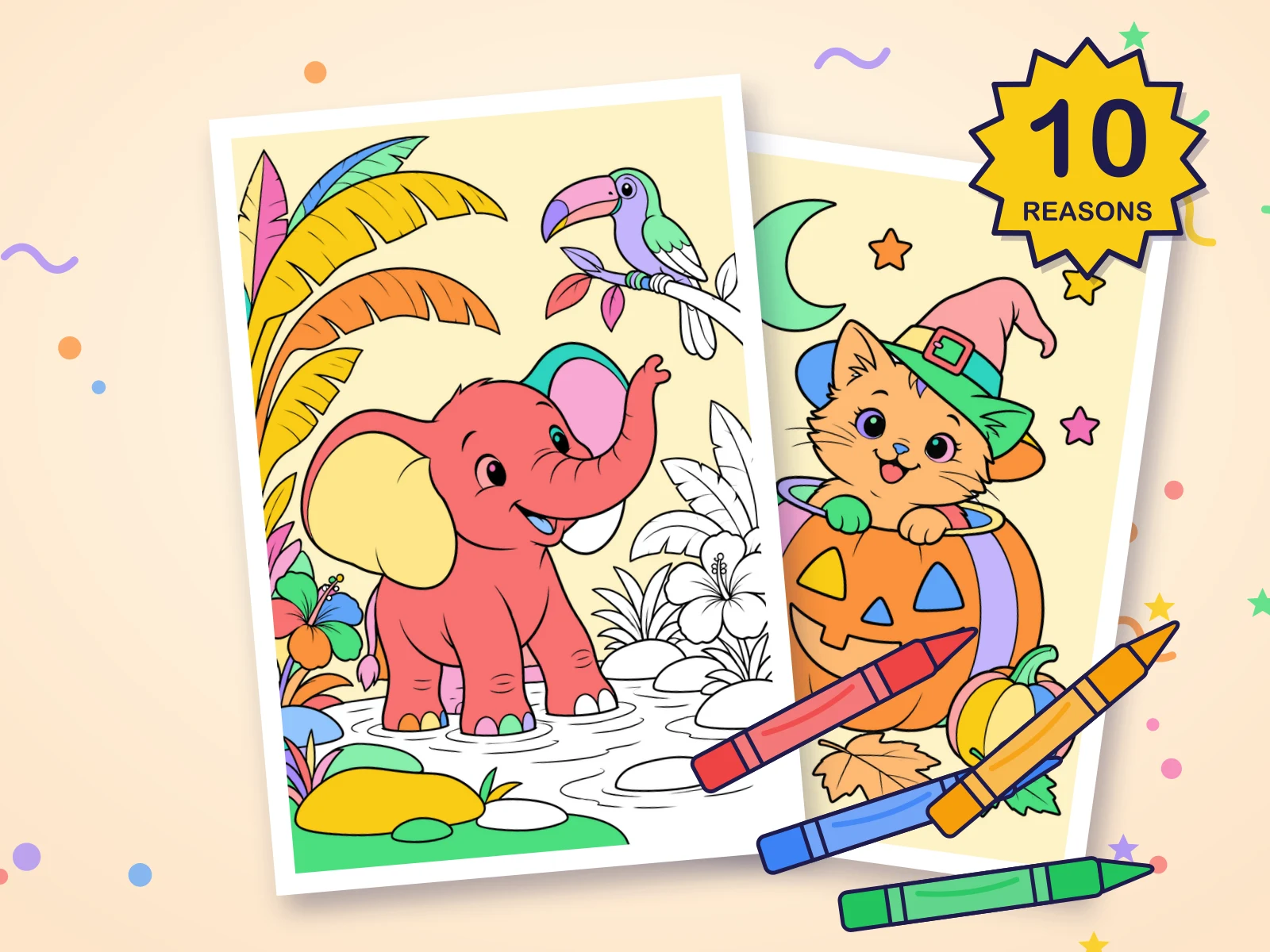
Hand a child a coloring page and a box of crayons and something lovely happens: the room gets a little quieter, a tongue pokes out in concentration, and ten minutes later you're presented with a purple elephant and a very proud smile.
It looks like simple fun — and it is. But coloring is also quietly doing a lot of good. Here are ten reasons it deserves a regular spot in your child's day, plus a few easy ways to make the most of it.
1. It builds strong little hands
Holding a crayon, pressing just hard enough and moving it in small, controlled strokes all work the tiny muscles in the fingers, hands and wrists. These fine motor skills are the same ones children use for buttoning a coat, using scissors, opening a lunch box and tying shoelaces.
Tip: for toddlers and preschoolers, chunky crayons are easier to grip than thin pencils.
2. It gets them ready to write
Before children can write letters, they need a comfortable grip and control over where their pencil goes. Coloring is pre-writing practice in disguise: kids learn to hold a crayon, make different kinds of strokes (back-and-forth, circles, little dots) and gradually stay closer to an edge — all without the pressure of "getting it right."
3. It helps them focus — and finish
Choosing a color, filling a space and moving on to the next one is a small, satisfying task with a clear goal. Over time, coloring stretches how long a child can stay with one activity. Start with simple pages with a few big spaces, and move on to busier pages as their attention span grows.
4. It teaches colors, shapes and patterns
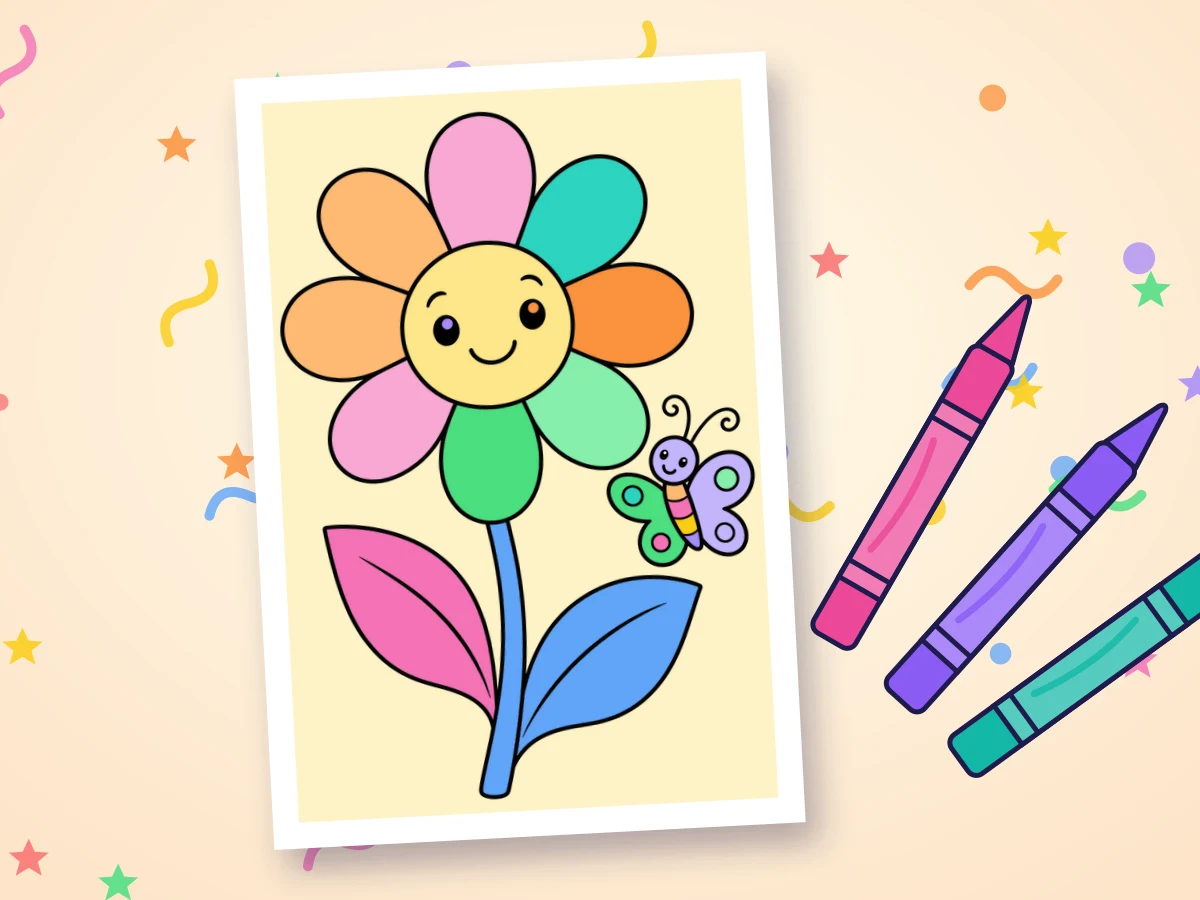
Every page is a mini lesson. Little ones learn color names ("Can you find the blue crayon?"), recognize shapes like circles, stars and hearts, and spot patterns — stripes on a tiger, scales on a fish, petals around a flower. Older kids start experimenting with which colors look good together.
5. It's a calm-down tool for big feelings
Coloring is repetitive, gentle and absorbing, which is why many families reach for it after a busy day, before bedtime or when emotions are running high. A quiet coloring corner can give a frustrated or overexcited child a simple way to slow down and reset.
Tip: keep a few favorite pages and crayons somewhere easy to reach, so it can become a go-to "quiet time" activity.
6. It sparks creativity and self-expression
Who says elephants have to be grey? On a coloring page, a child is in charge. Rainbow cats, green suns and polka-dot pumpkins are all perfectly valid choices. Kids also express how they feel through color, and you'll often hear wonderful stories about what's happening in the picture if you ask.
Tip: try "Tell me about your picture" instead of "What is it?" — it invites them to share their ideas.
7. It builds confidence
Finishing a page gives children something real to show for their effort. Hanging it on the fridge, giving it to grandparents or simply hearing "Look how carefully you colored that!" helps them feel capable and proud. Praise the effort and choices ("I love how you picked different colors for each petal") rather than just neatness.
8. It sharpens hand-eye coordination and planning
Staying near the lines means watching the page and guiding the hand at the same time. Kids also start to plan: which part to color first, whether to outline before filling, how to avoid smudging what they just did. These small decisions build coordination and early problem-solving skills.
9. It opens the door to learning and conversation
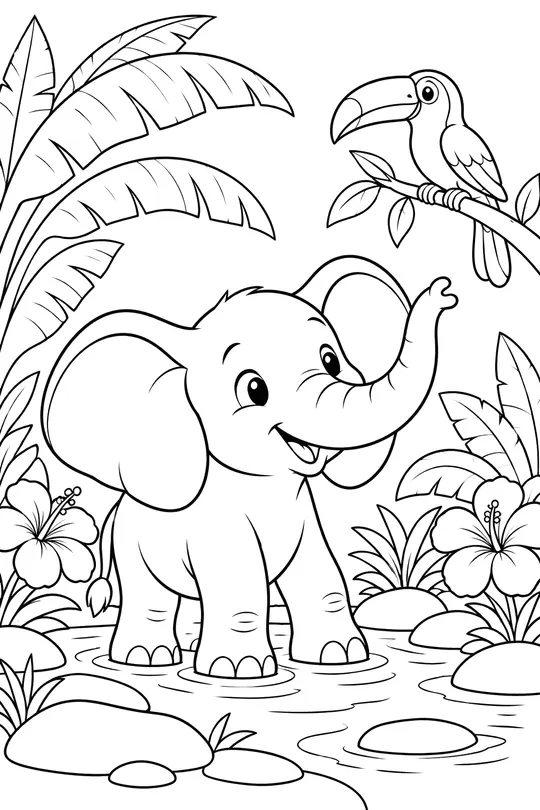
A page can be a starting point for all kinds of learning. A jungle page leads to talking about elephants and toucans; a holiday page to traditions and celebrations; a space page to planets and stars. Themed pages are a fun way to introduce new words and ideas — and to connect coloring with what kids are learning at school.
10. It's screen-free time together
Coloring is one of the easiest activities to share. Sit down with a page of your own, color side by side and chat. It works for siblings of different ages, grandparents and classrooms too — no batteries, no instructions, no winners or losers.
How to make the most of coloring time
- Match the page to the child. Big shapes and bold lines for little ones; more detail as they grow. Our guide to choosing the right coloring page for every age can help.
- Let them choose. Picking their own page — dinosaurs, pumpkins, princesses or rockets — keeps them interested much longer.
- Keep supplies simple and within reach. A small box of crayons, some washable markers and a stack of printed pages is plenty. See crayons, pencils or markers? for ideas.
- Don't worry about the lines. Coloring outside the lines is part of learning. Neatness comes with practice.
- Make it a little ritual. After school, before bed or on rainy weekend mornings — a regular slot makes it something to look forward to.
- Display their work. A fridge gallery or a string of pages along the wall makes every finished picture feel special.
Frequently asked questions
At what age can children start coloring?
Many toddlers enjoy scribbling with chunky crayons from around their first or second birthday. Simple pages with big, bold shapes work well from about age 3, with more detailed pages as their control improves.
Is it OK if my child colors outside the lines?
Absolutely. Especially for young children, the joy of choosing colors and making marks matters far more than precision. Control improves naturally with time and practice.
Is coloring online as good as coloring on paper?
Both have their place. Paper and crayons give the most hand-strengthening practice, while tapping to fill colors on a tablet is a handy, mess-free option for travel or waiting rooms. Every page on CuriousColorStudio can be printed or colored online.
Ready to start?
Browse our free coloring pages for kids, pick a favorite theme from all themes, and print a few to keep handy. Then grab the crayons — and maybe a page for yourself too.